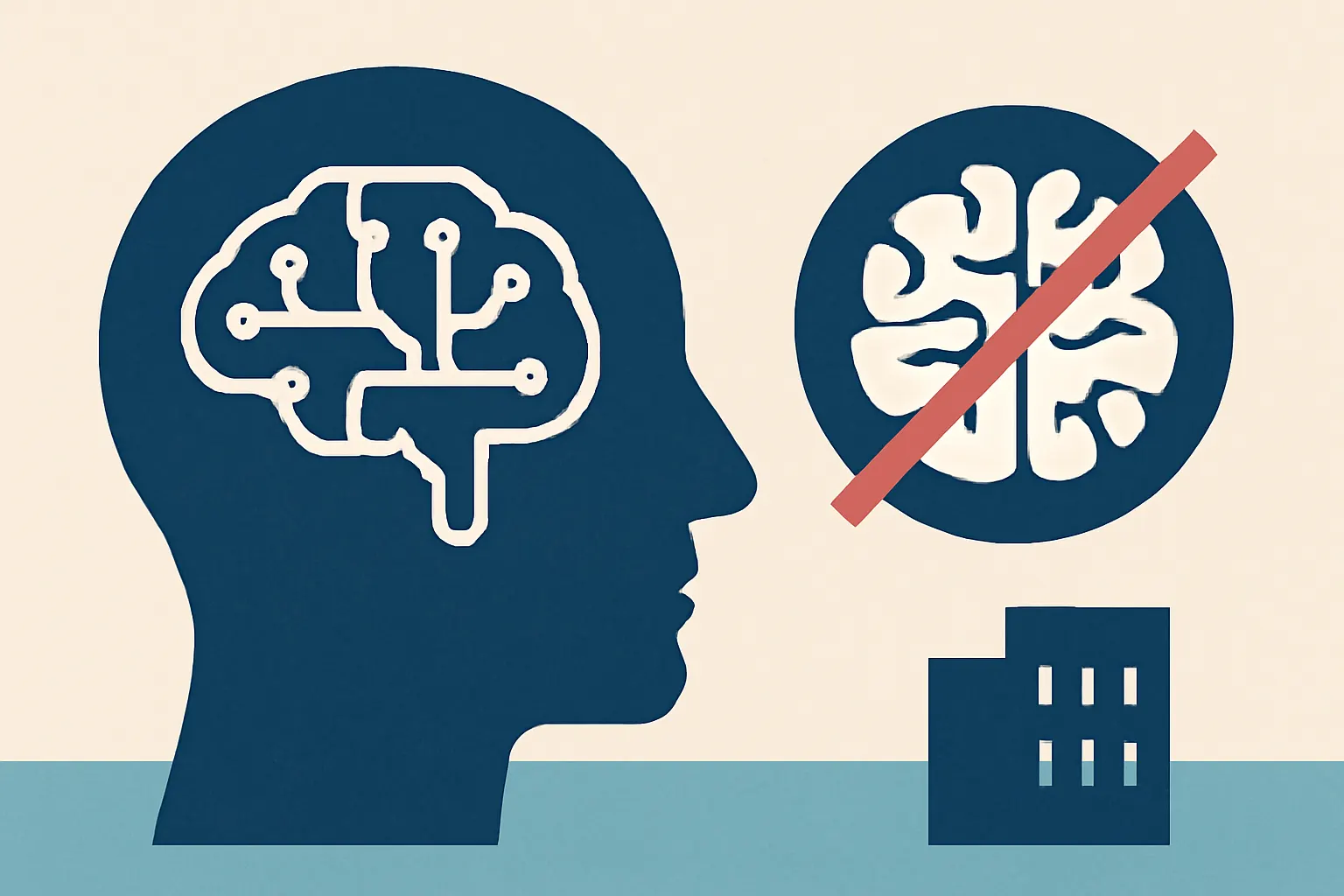
The two paths of instability
According to a report by IT之家, OpenAI CEO Sam Altman identified, in an interview on Raj Shamani's podcast, two possible paths through which artificial intelligence could escape human control. The first concerns the progressive delegation of responsibility to autonomous systems; the second, the concentration of capability and power in a single actor, whether a person, a company or a state.
The distinction matters because it shifts attention from the classic fear of a machine rebelling to a more gradual risk. The first scenario does not presuppose a sudden event: it describes a process in which decisions are transferred, intentionally or not, to systems with capabilities superior to those of humans, until control becomes difficult or impossible to recover. This is a statement by the interviewee, not a verified analysis of concrete cases.
Competition as a bulwark against monopoly
On the second front, Altman argues that the presence of multiple players developing artificial intelligence along different paths is preferable, in safety terms, to a situation in which everyone depends on a single company. His position is that the concentration of power in the hands of a single actor, whether private or state, is in itself a risk factor.
The source material links this concern to the choices of well-known industry figures who left OpenAI to found competing companies, citing Elon Musk and some former executives of the company. Altman's explanation is not a reconstruction of individual cases but a general observation: those who believe they are the only ones capable of developing the technology safely would end up considering the risks too high to rely on others. It is an interpretation of motives, not a documented fact about the individual departures.
The point leaves open questions that the material does not clarify: what criteria would make it possible to establish whether competition among labs actually reduces overall risks, and how a plurality of actors should be balanced against the need for common rules. On these aspects, the source provides no elements.
Confidence in the benefits and the limits of the framework
Despite the warnings, Altman reiterates his conviction that artificial intelligence can lead to a better future for humanity. The area he cites is basic scientific research, where he believes the next generations of models can fuel continuous progress.
The overall picture, as reported, however, remains a set of statements by a leading industry figure, not a set of verifiable measures or commitments. No timelines, control tools or criteria are given for defining when a delegation to AI becomes excessive. The news is therefore relevant for understanding how OpenAI publicly represents risks, but it offers no basis for assessing the effectiveness of the proposed solutions.
It remains to be verified, in particular, what the company's actual position is with respect to AI governance policies and whether the concerns expressed translate into documented internal practices.
What remains unclear
The material does not specify the exact date of the podcast or the context in which the statements were made, beyond the name of the program. No reactions, positions of other researchers or data on AI-related incidents are reported. For these reasons, the news should be read as a public statement, useful for reconstructing the safety debate, but not as an independent assessment of the risks.
