The pressure of AI on the grid
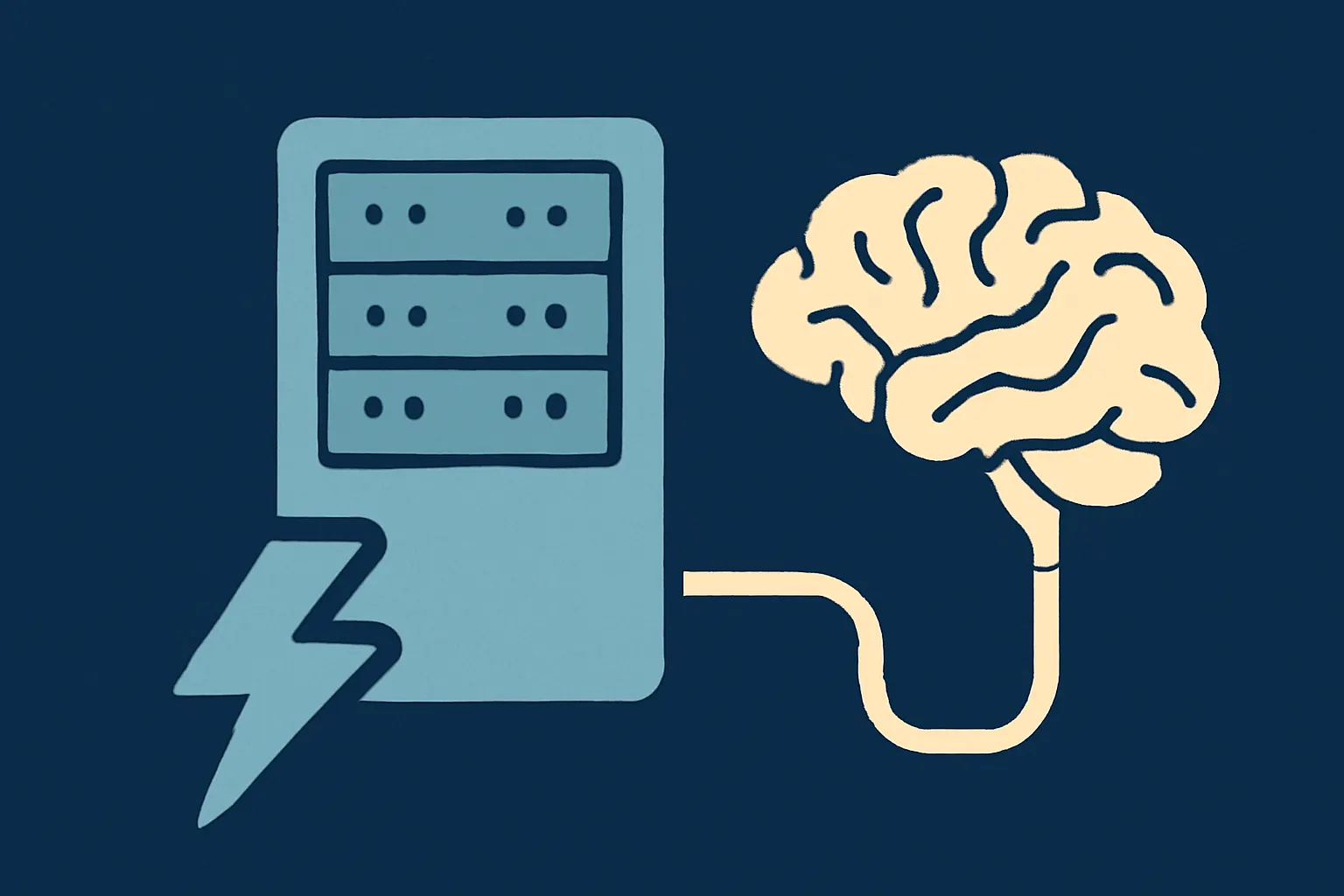
The expansion of artificial intelligence has produced a huge increase in energy demand in the United States and, according to critics, is subjecting the country's already aging power grid to a stress test. The cited concerns involve higher bills in the short term and, over the long term, possible outages or other technical problems. TechCrunch reports this in an article dated October 27, 2026, which relays the positions expressed by some industry experts during the TechCrunch Disrupt conference held earlier this month.
At the event, this critical reading was partly balanced by a more optimistic vision: the flow of new energy connections could pave the way for a modernization of the grid. Apoorv Bhargava, founder and CEO of Weavegrid, Tim Heidel, CEO of Veir, and Kristen Eberhard, vice president for policy at Rewiring America, discussed it. Their remarks are statements reported by the source, not independently verified data.
The solutions proposed by the companies
Bhargava described a profoundly different grid: new variables come into play, including renewable sources, and new loads represented by electric vehicles, data centers, and heat pumps. The main difficulty for utilities, he explained, is managing and orchestrating these elements. His company focuses precisely on this: software for managing and orchestrating loads that helps utilities make the best use of the existing system and reduce customers' bills. In the description provided, this is a stated goal, not a measured result.
Heidel, by contrast, leads a company working on physical infrastructure. Veir markets superconducting power lines that, according to the company, carry energy more efficiently than traditional cables, cover five times the distance, and require twenty times less space. Heidel argued that the scale of investment in AI infrastructure is fueling a great deal of innovation: numerous technologies are moving from the laboratory phase to the scale phase and, taken together, could make data centers better neighbors and 'citizens' for communities. He also added that they must be adopted as quickly as possible to keep pace with this growth phase. The effectiveness of the claimed performance remains to be independently verified.
What changes and what remains to be ascertained
Eberhard observed that the surge in data center energy demand has given new urgency to the modernization issue and has created a context in which industries are willing to experiment. She spoke of an era in which multiple needs add up: new transmission lines and more centralized power plants are needed, but solutions previously set aside precisely because of the lack of urgency generated by AI demand can also be leveraged.
The central point, according to the material, is that load growth is presented both as a risk and as an opportunity. The cited sources are representatives of companies and organizations with direct interests in the solutions described, so their assessments should be read as interested-party statements. The article does not provide figures on consumption growth, timelines for interventions, costs for users, or results already achieved. These aspects remain to be verified, as does the actual impact of the proposed technologies on grid stability and costs.
