What changes on the page
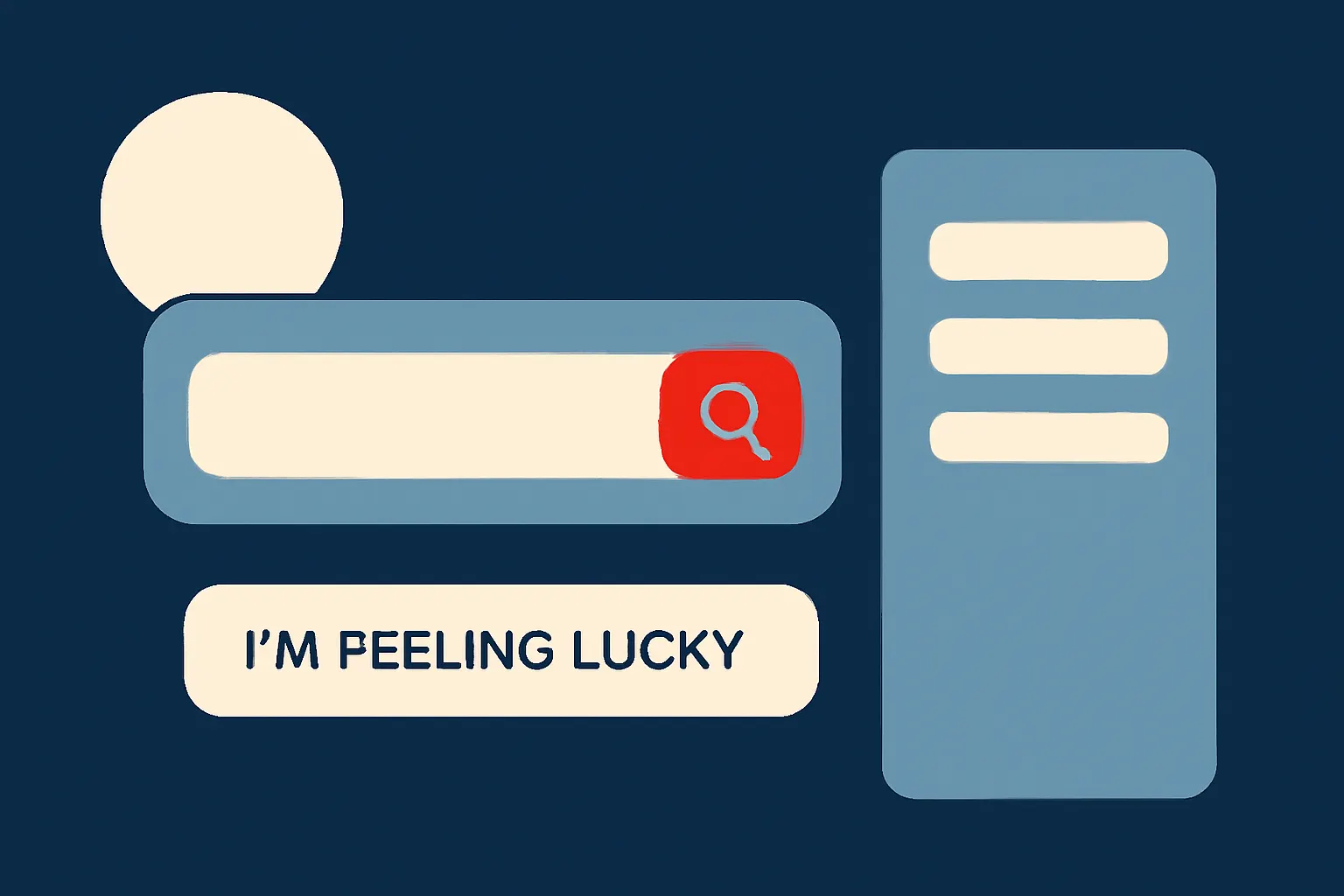
Google has made official the new design of its desktop search homepage after several weeks of testing. Ars Technica reports this, according to which Robby Stein, vice president of search, confirmed on X the rollout of the new page. The changes mainly concern access to artificial intelligence-based functions: below the search bar, several buttons linked to AI tools appear, including one for image generation, one for file analysis, and one for brainstorming with Gemini.
The most visible change is the disappearance of the button dedicated to search, which historically stood alongside "I'm Feeling Lucky." The latter remains in place. According to the source's account, the search button had anyway become barely accessible in the modern interface: autocomplete suggestions covered it as soon as one started typing, making a click outside the text field necessary. One extra step compared with pressing the Enter key, which many users use to start a search.
AI conversations in the foreground
The second change concerns the visibility of conversations with AI. For logged-in users, the homepage shows an expandable sidebar on the left with recent threads from AI search mode; according to Ars Technica, the same sidebar will also be available on the results page. Stein described this solution as a simpler way to resume work where it was interrupted, arguing that it has made a significant difference in the way people carry out searches.
The implications indicated by the source are limited but clear: the loss of practical functionality appears modest, while the hierarchy of elements on the page changes. AI functions receive prominent buttons and conversations a dedicated interface, while traditional search is progressively becoming less central. Ars Technica observes that Google seems to be moving in this direction without ruling out that, in the future, AI mode might become the default route and classic search might require a manual choice.
What remains to be verified
The material does not report data on adoption of the new page, nor does it provide indications on the markets or languages affected by the release, nor a timeline beyond confirmation of the rollout. No figures are available on actual use of the removed button: the hypothesis that it was little used is presented as a plausible assessment in the article, not as data confirmed by Google. The scope of the roll-out and any impact on users' habits therefore remain to be established, aspects that the available information does not make it possible to quantify.
