What changes with ChatGPT Wallet
OpenAI has announced the launch of ChatGPT Wallet, a wallet designed for the agents on the Dots platform unveiled earlier this year, according to The Verge. The service launches today in the United States and is limited to adult ChatGPT Pro subscribers with a U.S. billing address and cards issued in the U.S. among those deemed eligible: American Express, Chase, Mastercard and Visa. After linking a card, agents can make purchases at the user's request.
The new feature therefore concerns not only payment but also how agents are authorized to spend. OpenAI explicitly connects the wallet to the ability to have agents carry out actions with real economic effects, a step that had until now remained outside the typical functions of a conversational assistant.
Token instead of the card and human oversight
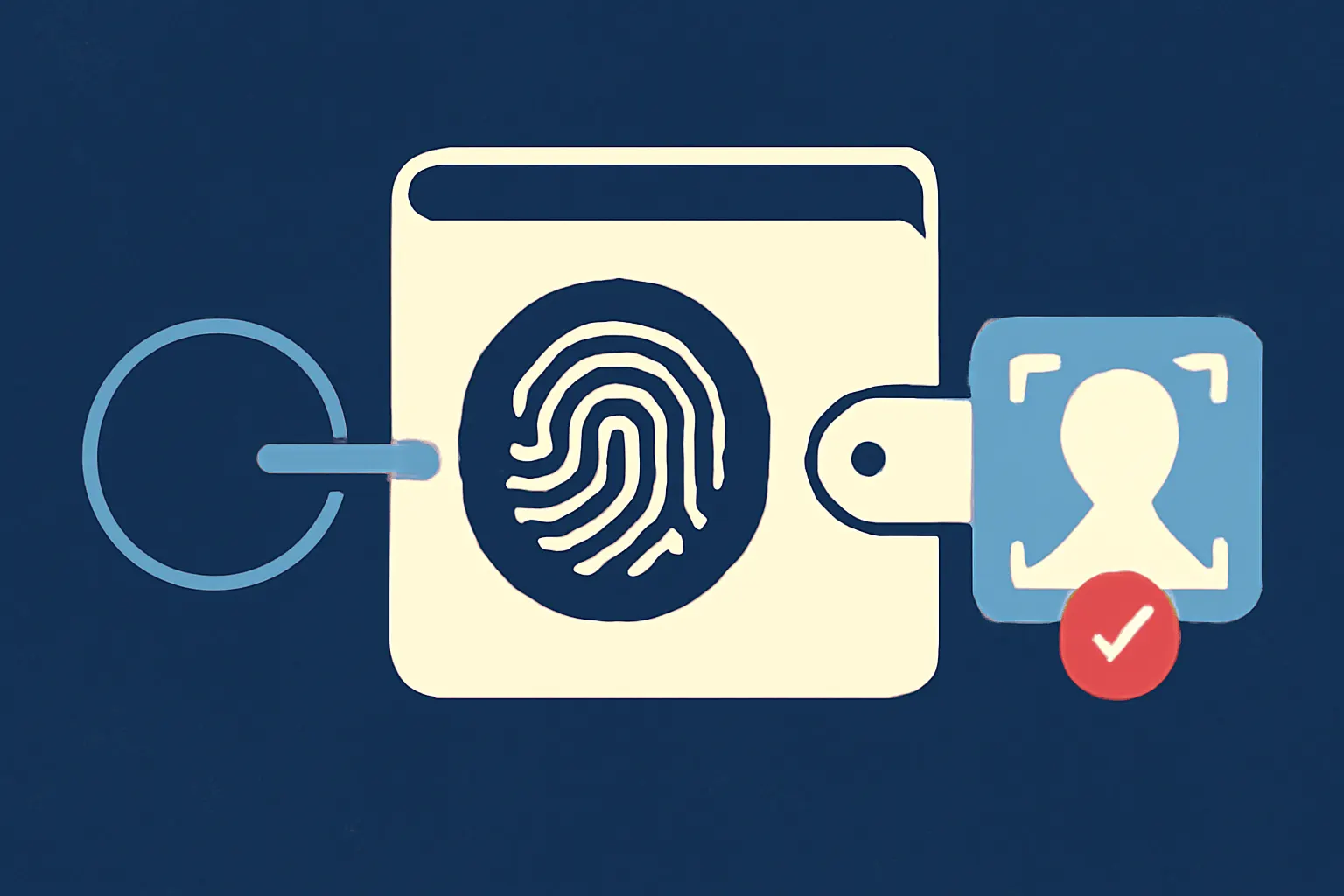
According to the support documentation cited by The Verge, every purchase through ChatGPT Wallet requires a security check with biometric verification, such as Face ID or a fingerprint. The agent must also check with the user before completing checkout. Only after review and approval of the transaction does OpenAI replace the card details with a payment token, similar to what happens with tap to pay, Apple Pay or Google Wallet.
The stated consequence is that the actual card details are not shared with either the Dots agent or the merchant. This is a data-protection measure for financial information, but also a practical limitation: at present, the purchase is not autonomous, because it goes through biometric verification and explicit consent for every transaction.
The prospect of delegation and the technical obstacles
OpenAI expects in the future to allow users to delegate purchases entirely to the agent, setting clear parameters such as spending limits, product categories or time periods, and to pre-approve those transactions. This is a prospect announced by the company, not a feature already available: the shift from one-off confirmation to a prior mandate remains to be defined in operational terms.
The wallet might also not work everywhere. The Verge notes that some retailers impose restrictions on artificial intelligence agents or block them entirely, citing the case of Amazon, which this year blocked Meta's Muse agents. OpenAI says that for agents to be able to use ChatGPT Wallet, sites must avoid inadvertently blocking them and payment and risk systems must recognize agent-initiated transactions as legitimate.
What remains to be verified
The picture that emerges is of a system designed to make agents' purchases traceable and authorized, but still tied to dual control: the user's biometric verification and approval of each individual transaction. It is not clear from the available material how quickly OpenAI intends to extend full delegation, nor how spending limits would be managed once activated.
The material also does not indicate the service's commercial terms, the number of merchants involved, or the full list of accepted cards beyond the four cited. The launch coverage remains limited to the United States and Pro subscribers: elements that make the wallet a circumscribed experiment rather than a widespread service.
