The Possible Breakthrough in Memory
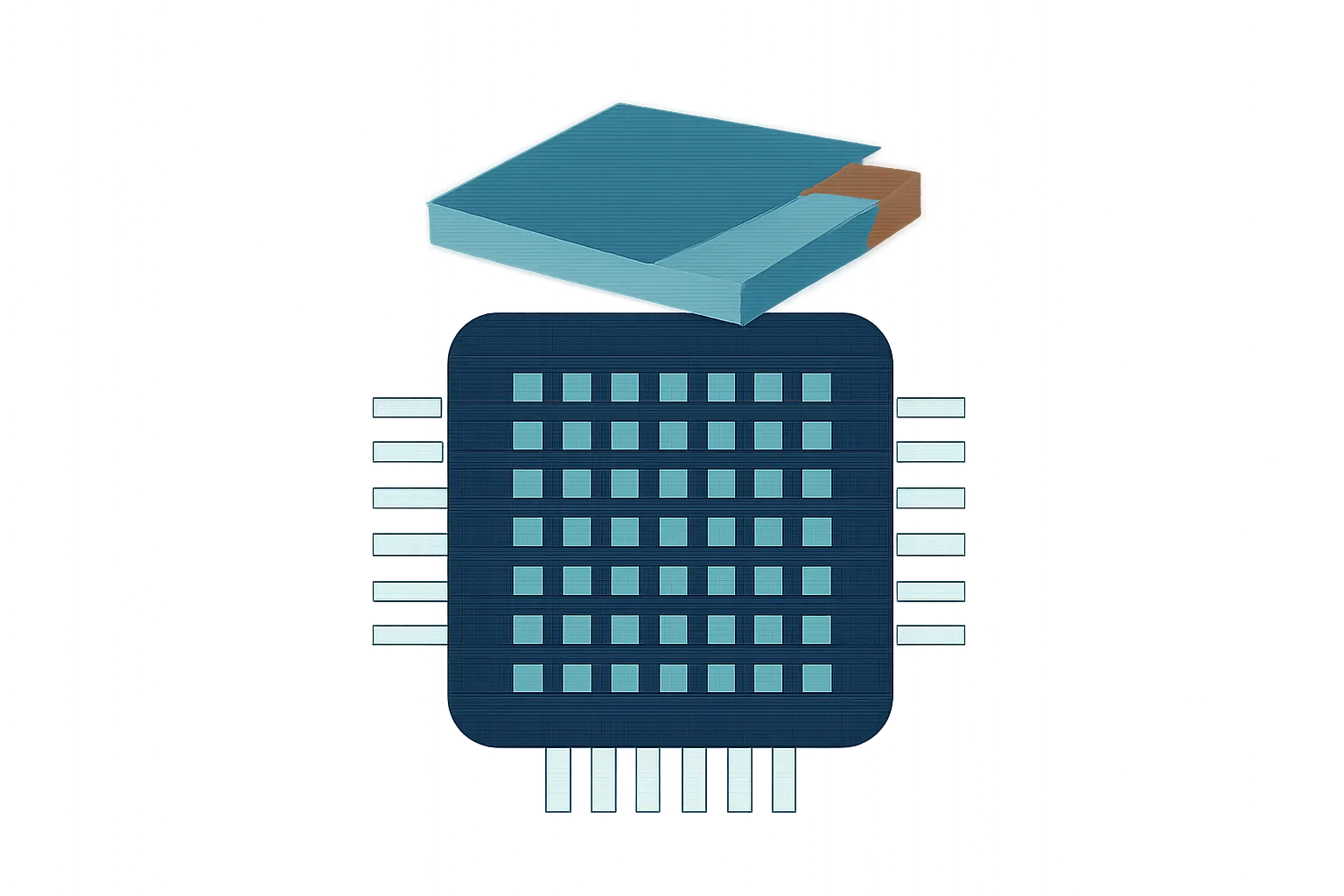
The trade press reports that TSMC is reportedly considering entering advanced memory production, a field that has so far been outside its business model. The news, attributed to The Information and picked up by IT之家, is based on two people familiar with the project and concerns in particular a type of memory called 3D DRAM, in which cells are stacked vertically to increase capacity.
According to the account, the request reportedly came from Nvidia, identified as the company's largest customer. 3D DRAM memory is described as one of the possible responses to the growing demand for bandwidth and density imposed by artificial intelligence workloads. Nvidia reportedly did not respond to requests for comment.
Timing and Facilities Still to Be Determined
The material specifies that TSMC has reportedly not set a date for mass production or decided where to produce it. Two options are under study: building a dedicated facility or acquiring an existing fab and converting it to memory. In either case, it would be a change from the company's historical focus, centered on contract manufacturing of logic chips.
If the plan took shape, TSMC would enter a market dominated by Samsung, SK Hynix and Micron. For Nvidia, an advanced memory supply closer to its own production ecosystem could ease pressure on the high-bandwidth memory supplies needed for AI accelerators.
Reactions and the Verifiability Question
The company reportedly told the press that it does not comment on market rumors or speculation and reiterated the centrality of its foundry business. The news therefore remains a journalistic rumor, not an announced decision: there are no official confirmations on investments, location or timeline. The size of Nvidia's request is also not quantified in the available material.
The significance of the report lies in the possible overlap between two previously distinct supply chains, that of logic chips and that of memory, in a context of strong AI-related demand. Still to be verified are the project's actual existence, the choice between a new facility and an acquisition, and the impact on relations with memory manufacturers already active in the sector.
