A nervous week for tech stocks
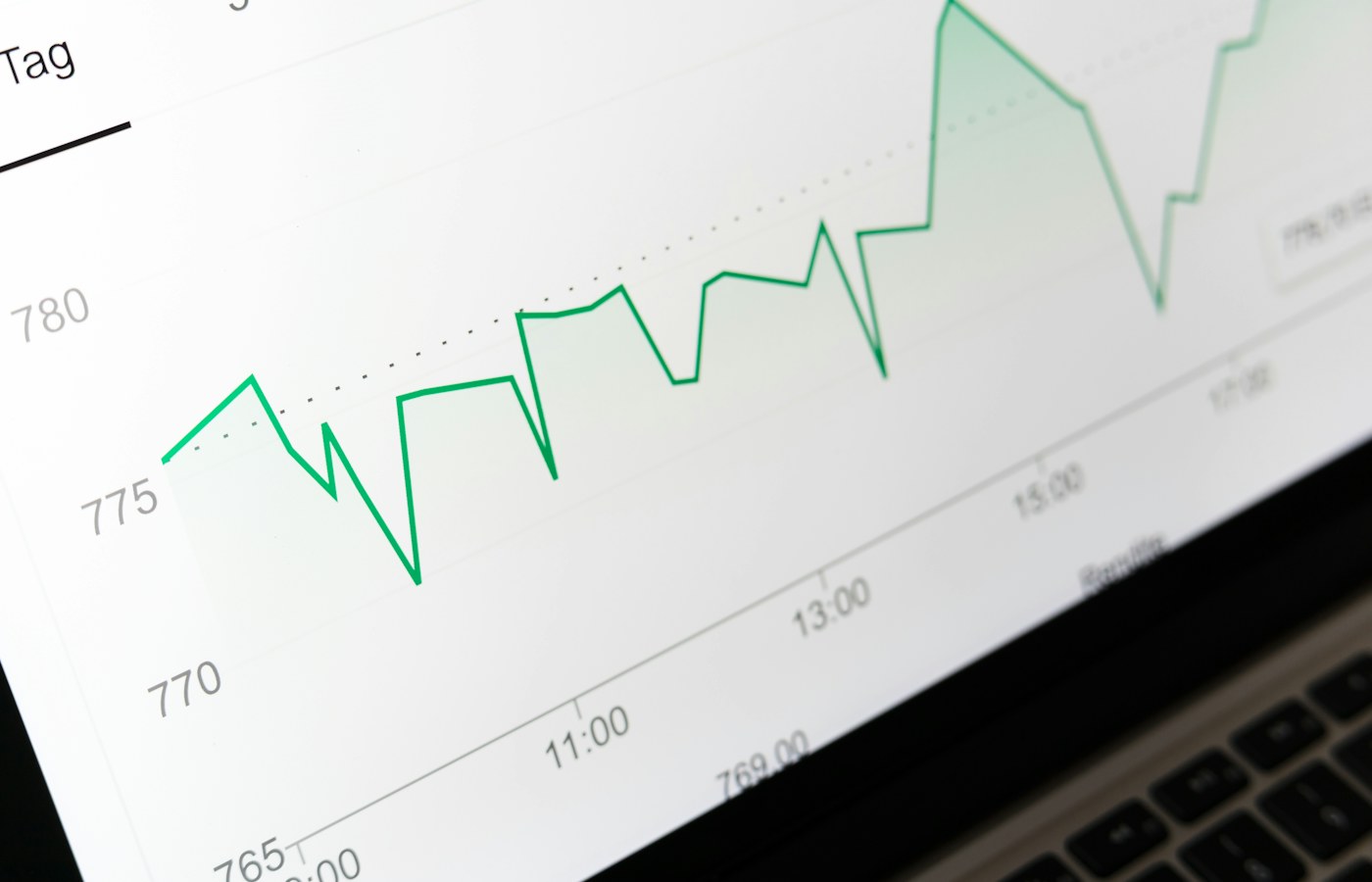
US markets rose again on Thursday, October 15, but AI-related shares continued to move sharply. Associated Press reports that the S&P 500 closed up 0.3%, the Dow Jones up 1.1% and the Nasdaq up 0.1%, after a morning in which selling in AI stocks had pushed the indices lower. The recovery followed a sell-off that had also hit Asian markets: South Korea's Kospi had fallen 7.6% and Japan's Nikkei 4.9% in the previous session.
The volatility was not only about chip prices. Investors were reassessing how long the investment race in data centers can continue and how much productivity or profitability it will generate. Nvidia, one of the index's heaviest-weighted stocks, fell 1.8% after a wider intraday decline; Taiwan Semiconductor Manufacturing ended lower despite quarterly results above expectations cited by AP.
Data center costs meet the cost of debt
Building AI infrastructure requires capital for chips, buildings, power and cooling systems. Some of the investment is financed with loans. When bond yields rise, the cost of debt increases, and investors may apply more cautious valuations to companies whose profits are expected in the future. AP reported global bond yields at multi-year highs and the US 10-year Treasury yield rising to 5.09% in the session.
The move affects different companies differently. A chipmaker may benefit from demand but depends on customers' investment cycles; a cloud provider must finance the machines it rents out; a software company may have different infrastructure costs. Grouping all these businesses under the “AI” label hides distinct economic models and risks.
Revenue and spending must converge
The market is looking for evidence that investments translate into revenue and margins. TSMC's results cited by the agency and demand forecasts for the next quarter supported part of the positive narrative, but did not answer the question about the entire ecosystem. CoreWeave, which offers cloud computing by buying chips, had lost ground over several sessions as investors assessed its exposure to debt and demand volatility.
A correction does not prove that AI is a bubble, just as a positive day does not prove that future revenue justifies current valuations. Reading the sector requires data on data center utilization, contracts, margins, depreciation schedules and returns on invested capital. Indices tell the price the market assigns today to expectations; they are not a direct measure of technological value or future impact.
The October 15 session shows how AI expectations are now intertwined with rates, debt and corporate results. The next step will be to understand whether quarterly earnings confirm demand and whether that demand is sustainable at higher financing costs.
