The demonstration and the role of Gemini
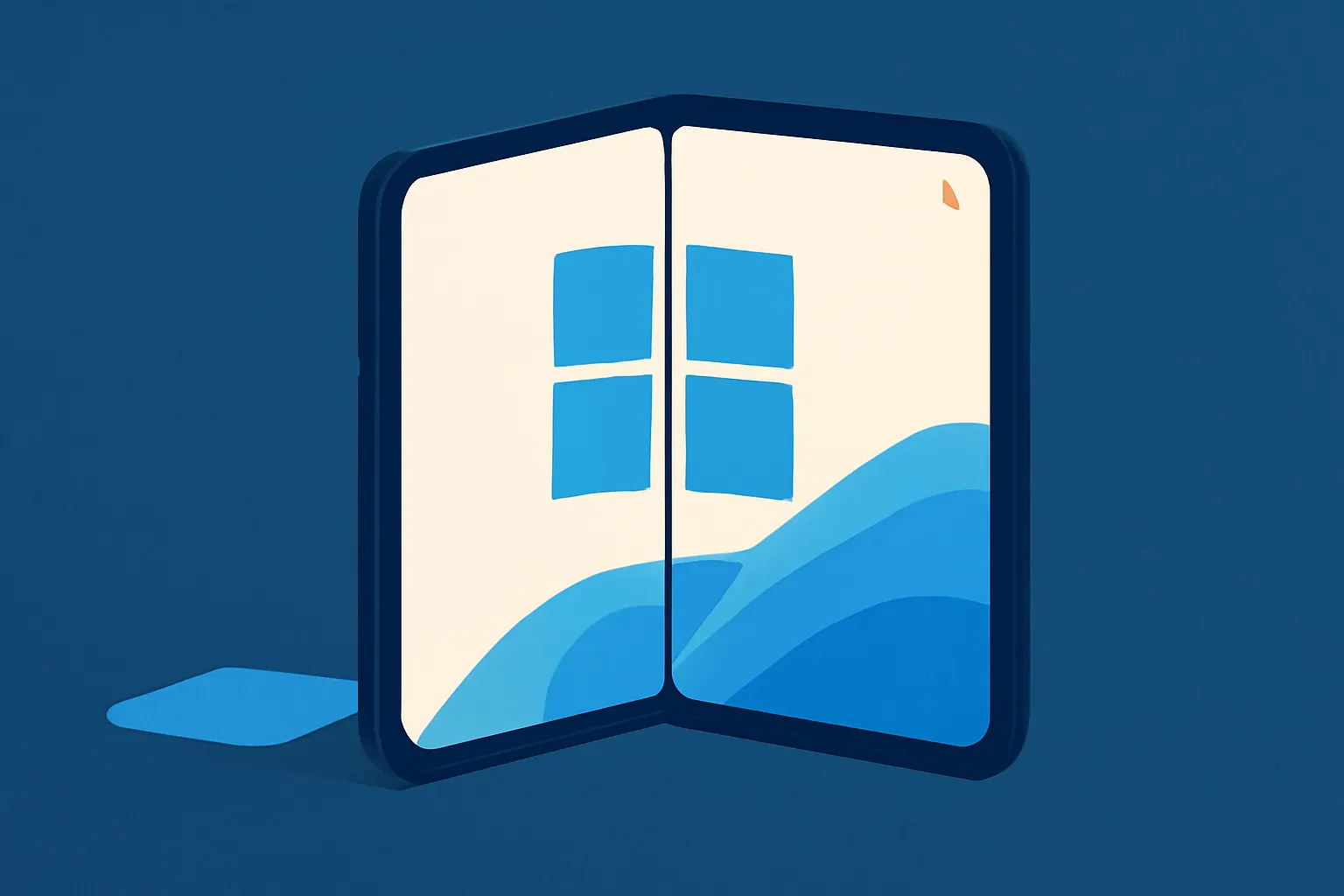
A product and design manager at Google AI Studio, Ammaar Reshi, published a video on X on November 12 in which an iPhone Duo, described as Apple's first foldable phone, runs Windows 11. According to IT之家, Reshi said he had developed the project, called WindowsiOS and released as open source on GitHub, using the Gemini 4 Carbon model.
The demonstration is based on a virtual machine that boots a Windows 11 on Arm 24H2 image and allows interaction via touch. It is therefore not a replacement for the phone's operating system, but a Windows environment running on top of iOS.
How the foldable mode works
In the video, with the device in a semi-folded position, the top half of the screen shows the Windows interface while the bottom half serves as a virtual keyboard and a multitouch touchpad, replicating the use of a small laptop. The project also includes virtual network and audio devices, so that Windows can use the phone's connectivity, speakers and microphone.
According to the source, the solution does not require jailbreaking and does not involve replacing iOS: it relies on software techniques such as just-in-time compilation. Support for Microsoft's Prism translation layer is also mentioned, intended to attempt to run traditional Windows applications, though without guaranteeing compatibility with all programs and games.
Practical limitations and open questions
The project is presented as an experiment accessible mainly to those with technical skills. The installation procedure requires a Mac with an Apple chip, development tools and a Windows image for ARM. In addition, the optimization scripts disable Defender's real-time protection and Windows Update background services, an aspect that affects the security and updates of the guest system.
The actual performance, the stability of virtualization on a phone and the actual breadth of applications runnable via Prism remain to be verified: the available material provides neither measurements nor independent tests. The news therefore remains a technical demonstration claimed by the author, not a product intended for the public.
Why it matters
The case shows how generative models are also being used to assist the development of experimental virtualization projects on mobile devices. The foldable format, with the screen split between interface and controls, is exploited to bring the user experience closer to that of a compact computer, an idea that interests both the phone world and the PC world.
However, the demonstration must be distinguished from commercial availability: at the moment there are no indications of a stable release or official support from Apple or Microsoft, and the same source does not report comments from the companies involved.
