The figure and the commercial context
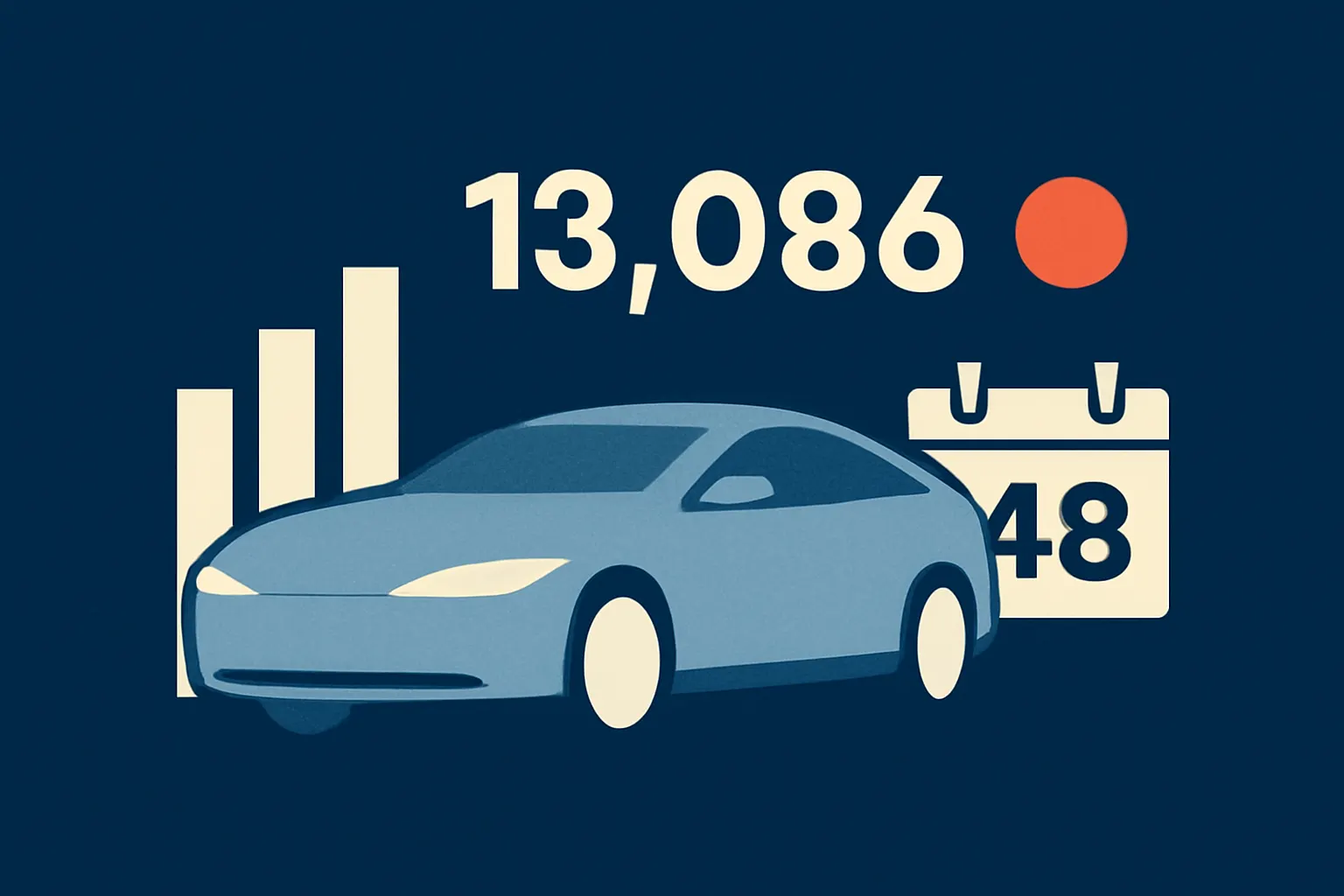
Wei, a Great Wall brand, announced that the second generation of the Blue Mountain has collected 13,086 reservation orders in the first 48 hours after the opening of the presale phase, which began on November 9. The figure comes two days after the start and concerns only initial reservations, not deliveries: the announcement comes from the company itself and has not been independently verified.
The range includes four trim levels, two with five seats and two with six seats, with prices between 28.98 and 32.98 million renminbi. For audiences following the Chinese market, the number is significant because it measures the commercial appeal of a model that opens a new technological era for the brand, but it does not allow final demand to be inferred.
Dimensions, a feature that distinguishes the versions
Both variants are built on Great Wall's S platform. The five-seat version measures 5140×2050×1960 mm; the six-seat version extends the length to 5300 mm while maintaining width and height and, like the other, a wheelbase of 3010 mm.
The extra 160 mm of the six-seat version, according to the description provided, serve to expand the third-row space and the luggage compartment capacity. It is the only element in the specification sheet that explains a functional difference between the two configurations: the rest of the features are shared.
Powertrain, chassis, technology
The propulsion system combines the 2.0T Super Hi4 with dual-motor electric all-wheel drive, an 800V architecture and 6C fast charging. The declared figures are 510 kW of maximum power and 940 N·m of torque, with acceleration from 0 to 100 km/h in 4.8 seconds with a charged battery and in the 5-second range with a depleted battery. Declared charging goes from 30% to 80% in nine minutes; electric-mode range is 350 km in the CLTC cycle and total range is 1,471 km in the same cycle.
The chassis features closed dual-chamber air suspension with electronically controlled dampers, adjustable height and stiffness, and bidirectional rear steering of up to 20 degrees with a minimum turning radius of 5.15 meters. The electronic components include the Qualcomm 8797 chip for cabin and driving, the Nvidia DRIVE Thor-U chip for driver assistance, VLA Plus models and the Coffee AI OS 4 and Coffee Pilot 4 systems.
These figures are specifications homologated or declared by the manufacturer at the presentation stage. Real-world charging, range and driver-assistance performance will need to be measured on production vehicles, while the conversion of reservations into binding orders is the step that will determine the actual weight of the announced result.
