Geopolitics and domestic politics
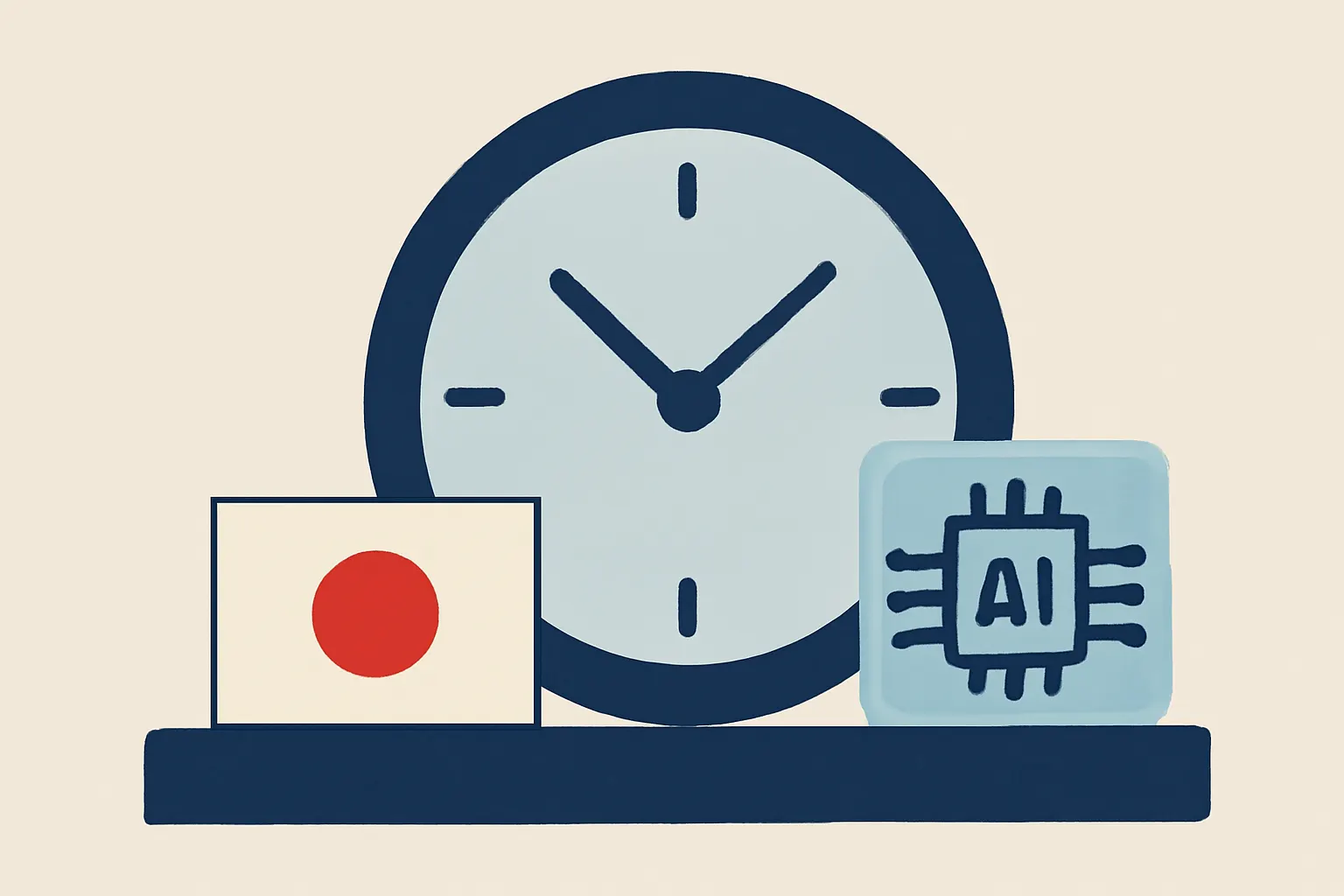
In an article published by the Korea Herald, Robert J. Fouser reports that he spent three weeks in Japan this year, his longest visit in ten years, gathering conversations and observations on the most discussed topics in the country at the end of 2026. The climate described is a mix of unease about the future and cautious optimism. The three recurring topics are geopolitics, artificial intelligence, and foreigners.
On the geopolitical front, according to the author, the changes of the 2020s caught Japan unprepared: the United States, a historic ally and guarantor of security, appears less reliable without an alternative having emerged. Donald Trump's impulsiveness is described as a source of deep disquiet for a country that prizes stability and predictability. Fouser reports a consensus among Japanese experts on American affairs that, after the midterm elections, Trump will be a weakened lame-duck president and his successor will place greater value on the alliance with Japan in the face of a strengthened China. This is a reported forecast, not a verified fact.
The article also cites a decline in Prime Minister Takaichi Sanae's popularity below 50 percent in recent polls, with many voters now seeing her as continuity with the past. The author stresses that the decline has not pushed voters toward populist solutions and that Japan remains among the least polarized advanced democracies. The majority would call for practical solutions to economic problems, between inflation and fears of a K-shaped economy that divides the middle class into winners and losers.
Artificial intelligence between enthusiasm and distrust
On AI, Fouser reports rapid adoption in Japanese society and enthusiasm linked above all to informational possibilities. Concerns regard negative uses, loss of privacy, and control over personal data, as well as the fear that AI will accelerate the decline of analog media such as paper and handwriting. The sharp polarization observed in the United States would not yet have emerged in Japan.
The country also fears it has fallen behind in the AI race compared with its Asian neighbors. This, together with unease about Chinese capabilities, would have increased interest in technological cooperation with South Korea and Taiwan, considered ahead in key segments such as semiconductors. According to the author, their rise is changing Japanese perceptions: from recipients of Japanese technology to equal partners, including as a counterweight to China.
Foreigners and work: economic necessity and fears
The third topic is the increase in foreigners. Fouser reports that interest in high-profile cases declined after the 2025 upper house elections, but the question of how many foreigners to admit and how to integrate them remains central. Some media would seek clicks with negative stories, while most Japanese would accept foreign residents as an economic necessity in an aging society. The fear would concern more the speed of the increase than foreigners themselves.
The author also cites tourism: a visit to Kagoshima would have shown how foreign visitors help revitalize the historic center, with signs in English and other languages in shops and restaurants, a scenario unthinkable twenty years ago. Overall, Fouser interprets the mood of late 2026 as a waiting mode: Japanese decisions emerge from a consensus that is slow to form and, in the absence of an agreement on how to position the country in the mid-21st century, Japan would continue to watch a turbulent world from the sidelines.
