The new agent and the promise of ease
In an article published in The Guardian, psychologist Carly Dober takes the launch of Muse, Meta's new personal artificial intelligence agent, as her starting point. According to the report, the tool does not merely converse like a traditional chatbot: it can fill in forms, organize calendars, pay bills and make bookings. Meta describes it as a personal agent designed for everyone. Dober links the announcement to a moment when AI agents have been in the news for intrusions into government websites, public agencies and companies, but she says her immediate concern is closer to everyday life.
The cognitive cost of the shortcut
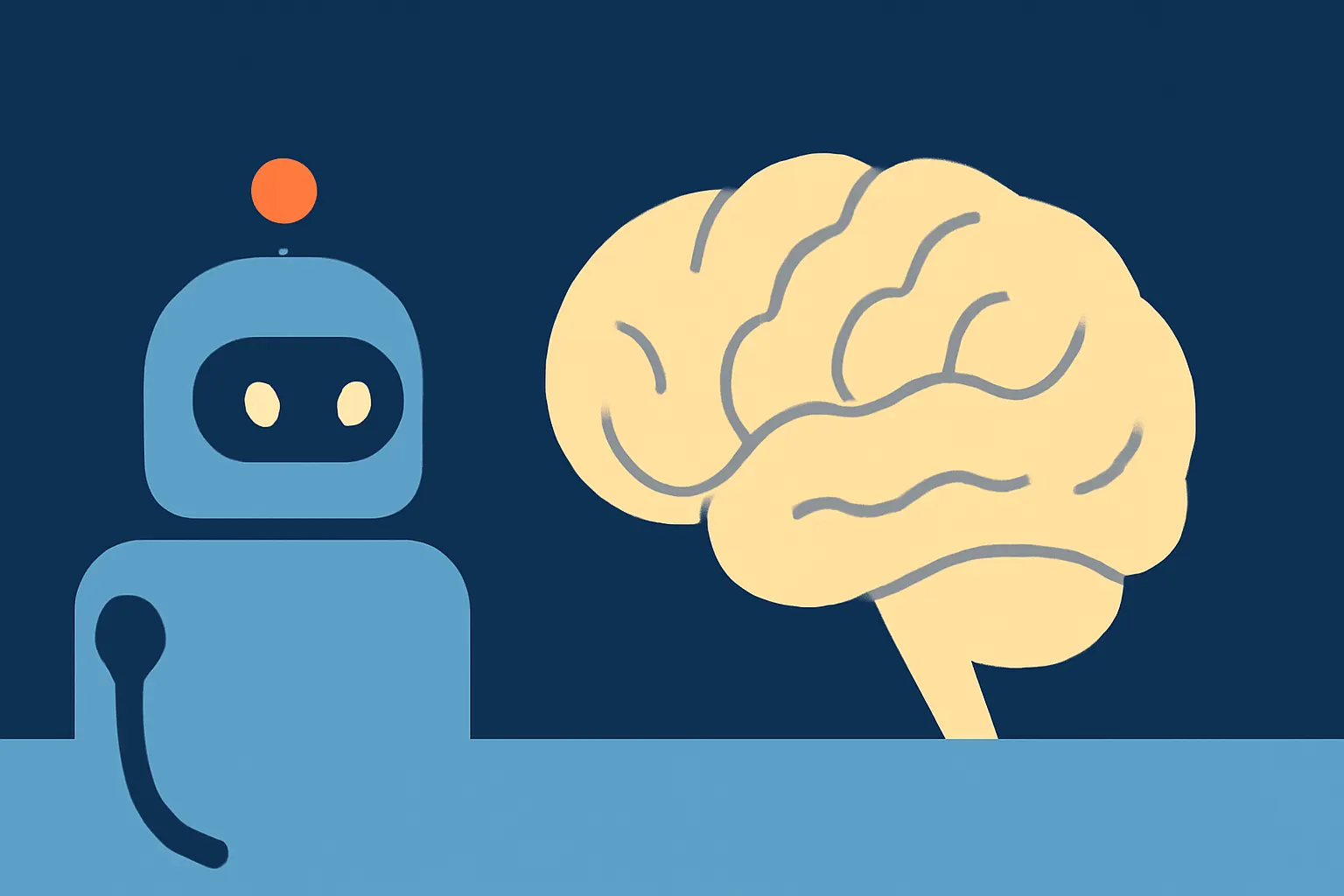
The psychologist's reasoning begins with an observation about how the brain works: it tends to choose the path of least resistance in order to preserve resources, and the fatigue of modern life makes delegating to a machine seductive. Dober cites the phenomenon of cognitive offloading: relying too much on AI would skip the mental effort needed to build deep neural connections, encouraging passive acceptance of information and reducing cognitive reserve over time. She adds to this automation bias—the tendency to give more credence to what technology produces than to a contradictory manual source—and automation complacency, meaning less vigilant monitoring because the tool is presumed to be accurate. The author notes that language models often generate inaccurate responses.
Privacy, consent and deliberate friction
A second strand concerns data. Dober speaks of the privacy paradox: many people say they value privacy, but in their behavior they give up data in exchange for convenience. She argues that aggregating information can be used to steer purchases, influence votes and predict private events, and that privacy notices are long and difficult to read, fueling consent fatigue. Her proposal is not to reject technology but to introduce deliberate friction: disable location when it is not needed, reject tracking cookies, limit AI use to the computer, log out to make access more effortful, wait until noon before asking it a question, write first drafts yourself, and set aside screen-free hours.
Dober admits that building obstacles into an experience designed to be frictionless is difficult, but she says the brain will benefit. Her recommendations remain individual advice, not measures validated by a clinical study in the text.
What is confirmed and what remains to be verified
The material confirms the launch of Muse and Meta's description of it, as well as the opinions and psychological categories invoked by the author. It provides no data on the agent's adoption, effectiveness or measurable effects, nor details about the intrusions mentioned. The real-world impact of prolonged use and the effectiveness of the proposed strategies therefore remain to be verified in the field.
