The funding and the product
Nirva, a startup founded in 2025 by Wei Lyu and Jason Chen, both from Meta Reality Labs, together with Hanying Hu, founder of a fashion and jewelry brand, announced a $25 million pre-Series A round. According to TechCrunch, the figure adds to the $8 million previously raised from investors including Lightspeed and South Park Commons, bringing the total to $33 million.
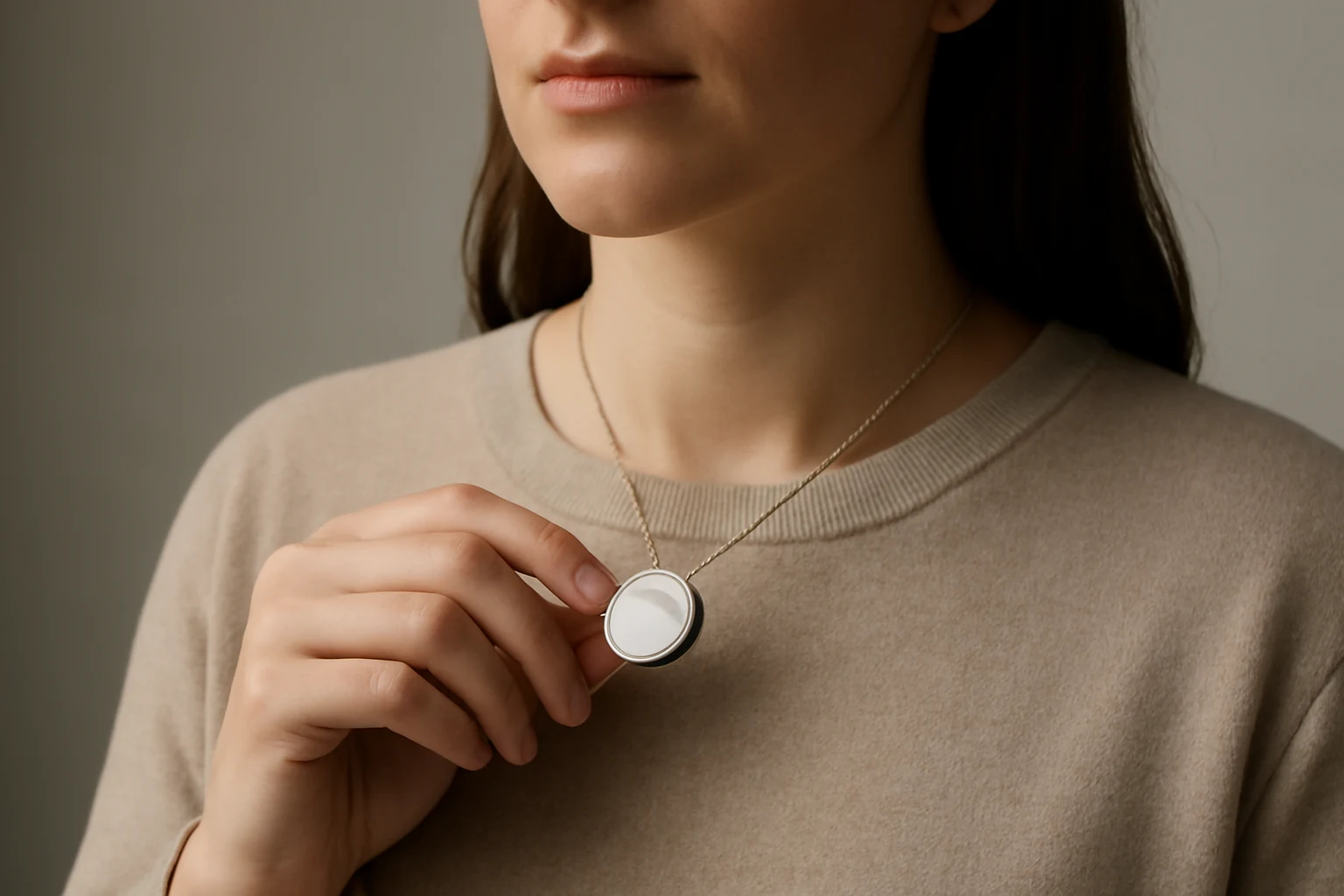
The company's first device is a pendant weighing about eight grams, also wearable as a bracelet, with a claimed battery life of up to three days per charge. It will be offered at $249 in silver, brushed silver, black, and gold variants. Orders will begin in November, with the goal of delivering to the first users by the end of the year, as reported in the source excerpt. The company has stated its intention to launch other devices in the future.
An always-on microphone, but only for the wearer's voice
The difference Nirva claims compared with voice recorders, meeting-note tools, or other products cited in the article such as Taya, Vocci, and Sandbar Ring is its passive, continuous listening to only the voice of the person wearing the pendant. CEO Lyu explained to TechCrunch that the device builds a model of the user and their mind while remaining always on.
Privacy is a central issue for ambient devices, including because of the fear among those near people wearing them of being recorded, an issue the article links to Ray-Ban Meta smart glasses. Nirva says it addresses this by asking the user to record a few fragments of their own voice during initial setup and building the model on that basis: during use, the device filters out conversations and data from other people present, recording only the wearer. The company also states that, by default, it does not retain audio or transcripts after processing. These are the company's claims, not features verified by third parties.
Positioning and competition
Nirva presents itself as a personal-insights company rather than a productivity startup. The companion app processes speech and offers guidance that the company traces to the user's personality, recurring patterns, the people around them, the places they frequent, and other everyday notes; it also displays reminders and actions to take. Lyu cited the case of a missed reminder to thank his mother, which the app later flagged. Before discarding the audio, the system says it detects tone, pitch, volume, and speech rate to derive emotional elements.
The AI wearables sector is crowded: the article cites Taya, founded by former Apple employees and focused on smart jewelry, and the startups Friend and Bee, as well as the new wrist device launched by Amazon with Bee and the Voice Intelligence features presented by Apple in September. The effectiveness of the filter that excludes other people's voices and the real transparency of data-retention policies remain to be verified in the field.
