An exhibition built on atmosphere
The Piknic gallery in central Seoul is hosting the first solo exhibition in Korea by American photographer Deborah Turbeville, titled Atmosphere and open from Friday through February 28, 2027. The exhibition is organized with MUUS Collection, a New York photographic archive that acquired the photographer's work in 2020, and brings together about 200 items, 102 of them originals, including vintage prints and collages. According to the source, the ensemble supports a precise thesis: the value of an image lies less in what it shows than in what it evokes.
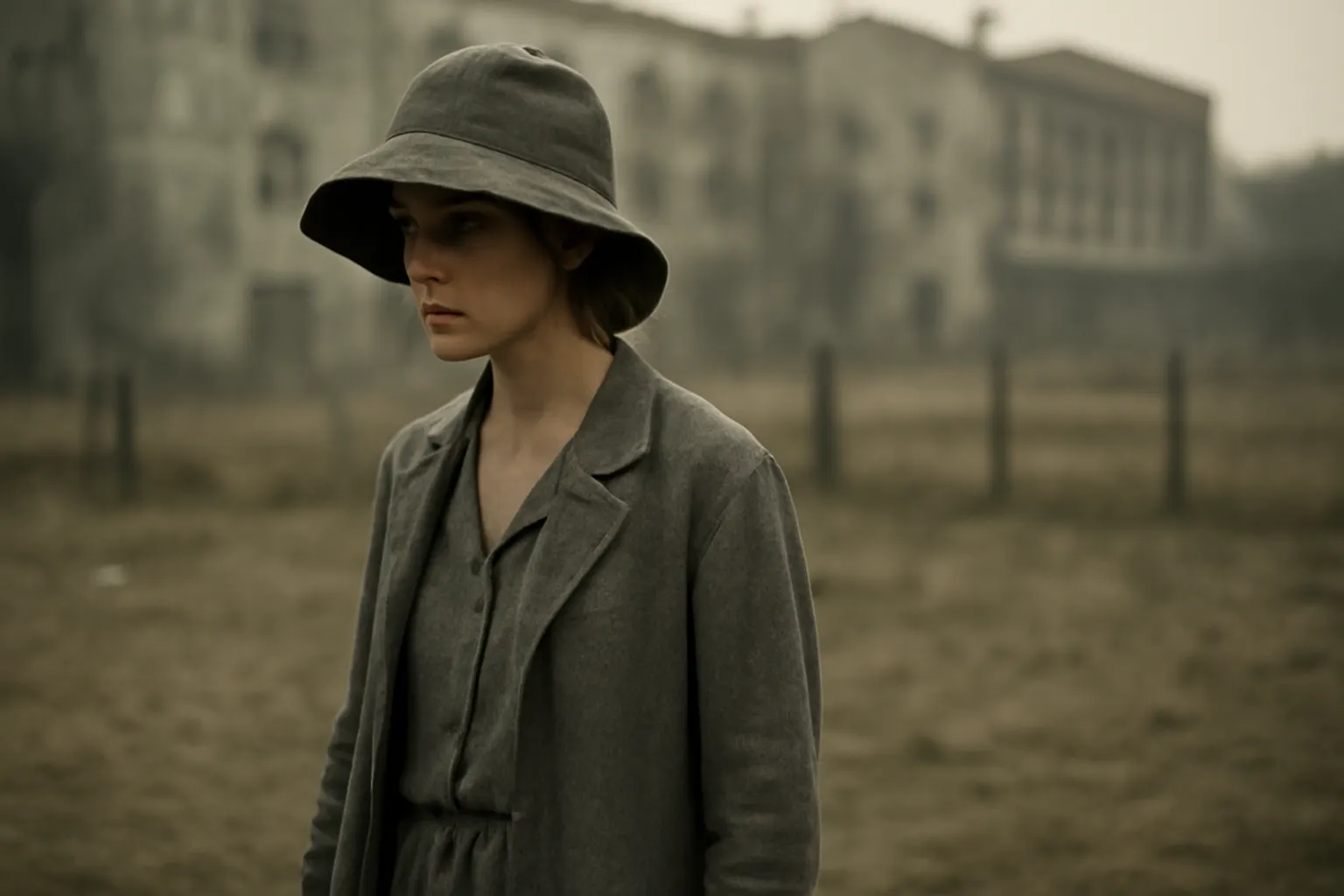
The photographs described by the Korea Herald are grainy, washed-out and in muted grays, and resemble the pages of a rediscovered family album more than the glossy magazines for which they were made. The models appear as pale, distant presences, their gaze turned elsewhere. The settings they inhabit may recall, according to the newspaper, an Alain Resnais film, a Chekhov play or a long-closed European spa, often all at once: what remains is a sense of déjà vu rather than a recognizable time or place.
From the editorial desk to the camera
Turbeville came to photography in a second phase of her career: after working as a fashion editor for Harper's Bazaar and Mademoiselle, she began taking photographs around the age of 35. In the 1970s her images appeared in fashion magazines alongside those of Helmut Newton and Guy Bourdin, whose glossy, sexualized provocation she rejected.
In 1975 she took five models in swimsuits to a public bathhouse in New York that was marked for closure. She had them lean against the peeling tiles, each looking in a different direction, as if she were alone in the room. The feature, titled Bathhouse and published by Vogue, left readers stunned; today it is remembered as a reference point of the era.
The Seoul exhibition also reconstructs her later experiments. Maquillage (1975) is an imaginary magazine composed of torn photographs and handwritten clippings, fashion publishing with nothing to sell. For Unseen Versailles (1981), commissioned by Jacqueline Kennedy Onassis, the photographer avoided the palace's golden splendor and aimed her lens at sheet-covered furniture and worn statues.
Literature as raw material
Fiction nourished her images as much as fashion did: in the 1997 volume Studio St. Petersburg, photographs of ballet dancers coexist with passages by Alexander Pushkin and Anna Akhmatova, while Passport transforms an unpublished novel into about 130 collages of images and text. The source reports that Turbeville said she wanted to capture people of today's world with the atmosphere of the past reflected in their faces: a nostalgia for something one does not remember.
The available material contains no interviews with the curators, data on expected visitors or comparison with other exhibition venues: these elements remain to be verified. According to the newspaper, the exhibition works above all as a place to stop and absorb a mood, rather than as a documented chronological journey.
