The context of the event
XLA8 announced on October 29 that it had provided its real-time automatic translation and interpreting solution, called EventCat, to the World Congress on Intelligent Transport Systems (ITS) held in the Olympic Park area of Gangneung. According to the company's account as reported by ETNews, this is an international event bringing together representatives of governments, academia and industry. After the editions in Tokyo, New York and Beijing, this year's edition was held under the theme of moving beyond mobility toward a united world.
The company reports the participation of about 60,000 people from 91 countries, with a ministerial meeting attended by 12 nations and several academic sessions. These are figures declared by the supplier company and not independently verifiable on the basis of the available material alone.
How the service worked
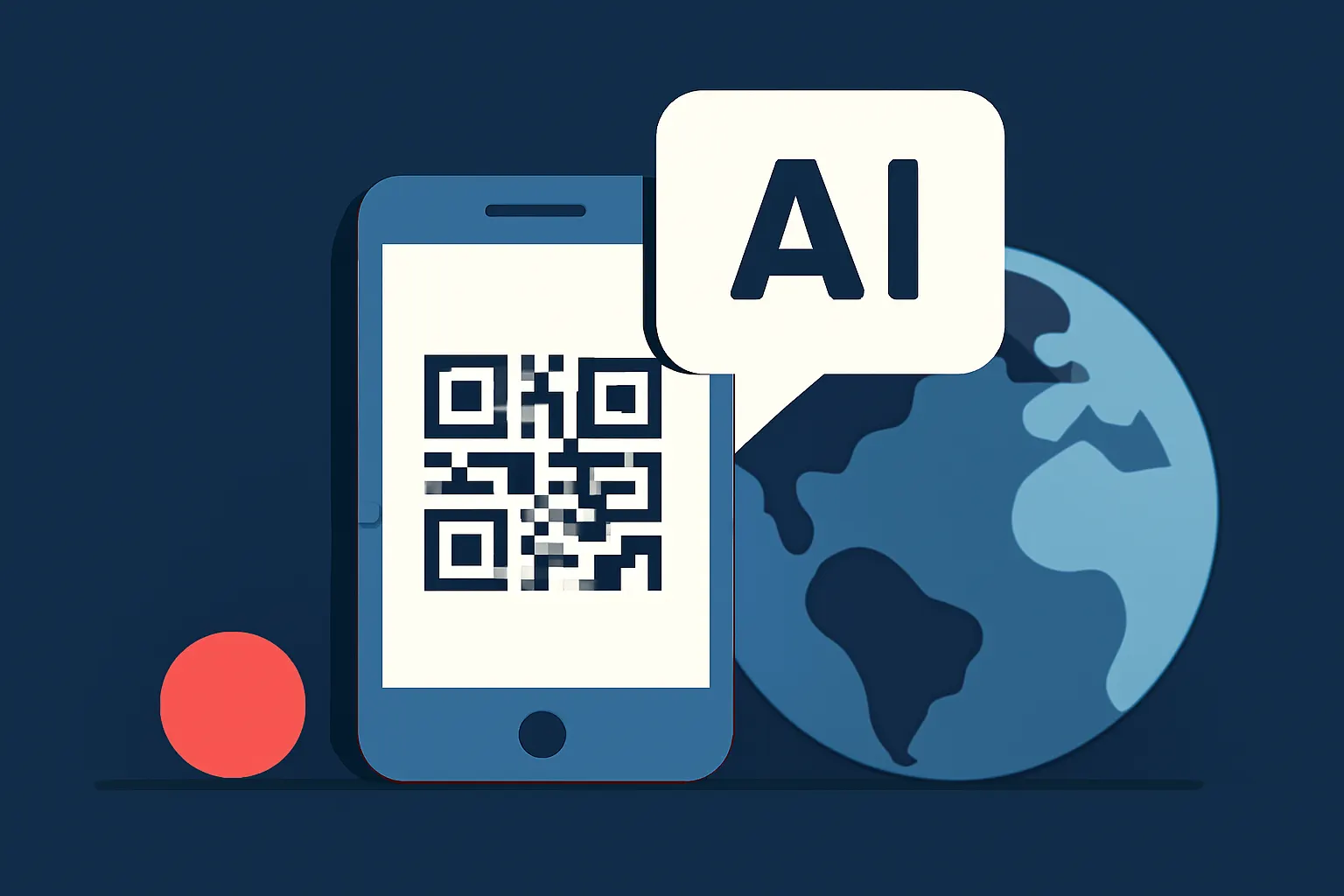
The system was used to manage the event program and the progress status of individual sessions in an integrated manner, from configuration to rehearsals through to live broadcast. Participants could scan a QR code associated with each session and follow subtitles and audio in their preferred language directly on their smartphone or tablet, without the need for dedicated equipment.
According to XLA8, EventCat integrates an internally developed machine translation engine and a glossary function designed to increase accuracy on technical terms. These include C-ITS, i.e., next-generation intelligent transport systems, and MaaS integrated mobility services. The presence of a dedicated glossary is the element the company puts at the center of its offering for specialized contexts.
From the event to tourism
The company announced its intention to extend the business to the local tourism sector, enhancing a product variant called EventCat Docent, intended for museums, galleries and festivals to offer explanations in visitors' native languages. On the same opening day of the Gangneung Travel Mart 2026, the company also provided EventCat to this event, supporting multilingual communication for buyers from 47 companies in 8 countries.
Also in the cultural field, XLA8 reports that it provided the Docent service to the Daegu National Science Museum, where visitors can access explanations in English, Chinese, Japanese, Vietnamese and other languages, without installing dedicated applications, via QR code. These are company statements for which the material contains no independent evidence of actual use or results.
The stated position
Lee Sang-eun, CEO of XLA8 Korea, said that machine translation is no longer merely a tool to support events, but an operational basis for fostering global exchange at the local level, and that the company intends to expand its application to international conferences, exhibitions and tourism sites of local authorities.
It remains to be verified how accurate the translations actually are in complex technical sessions, the sustainability of the business model in tourism, and the contractual terms with the entities involved—aspects not covered by the available material. The source text also contains a final line about an investigation by the Ministry of Science and ICT concerning restrictions on the export of Chinese technology, which is unrelated to the article and cannot be used.
